

Via Community News Service, a University of Vermont journalism internship
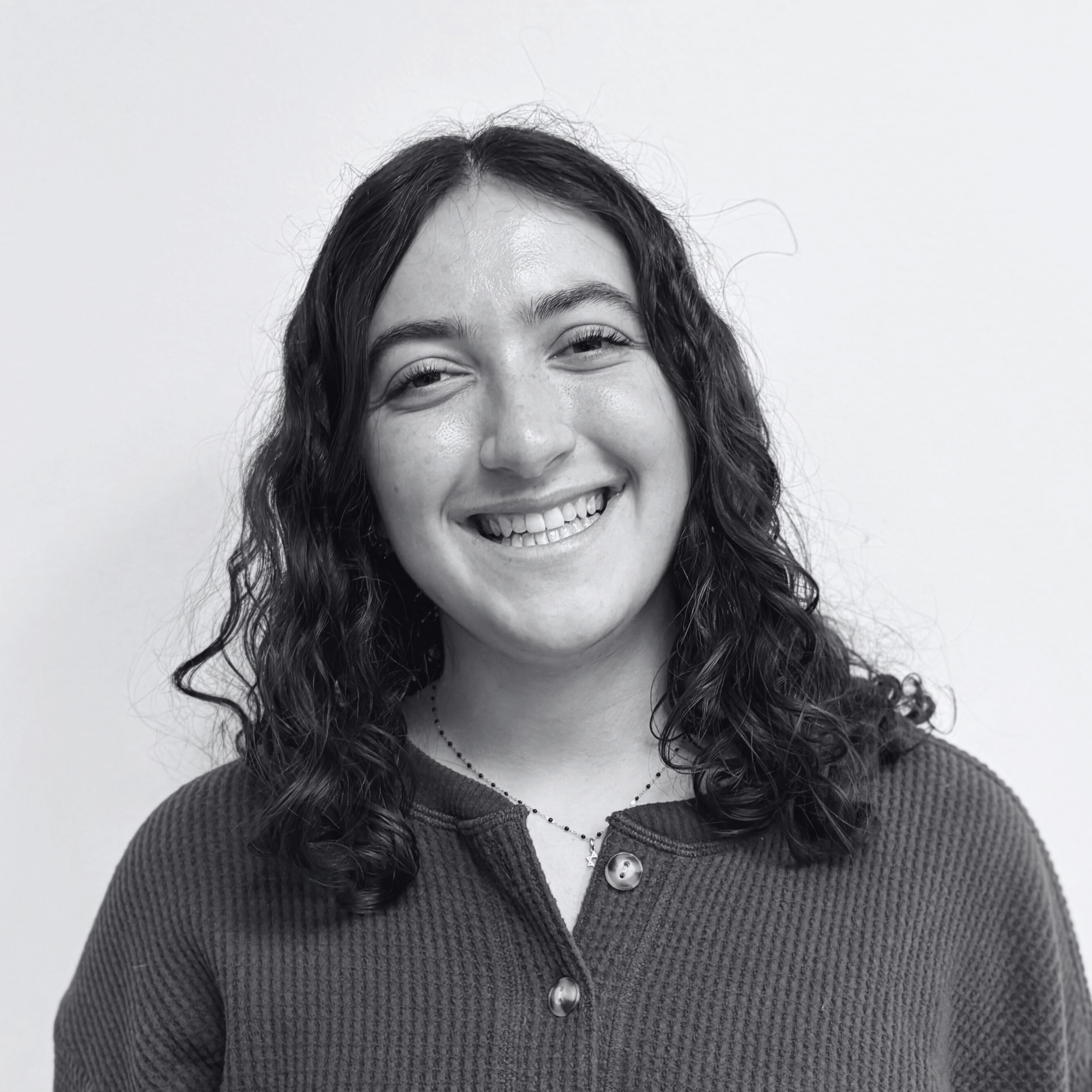
Christina Erickson has spent the past 20 years being a daily walk-bike commuter. It’s a routine that the Burlington resident embraces on a personal level and one that also meshes with the mission of Local Motion, where she has worked as executive director for the past three years.
Based in Burlington, Local Motion is a statewide nonprofit working to reduce the use of single-occupancy vehicles by empowering healthy, active, safe and environmentally conscious methods of transportation for walkers, bikers and rollers.
Q. How would you summarize Local Motion’s mission to someone who is unfamiliar with the nonprofit?
A. We are Vermont’s statewide bicycle and pedestrian advocacy organization, which means different outcomes for everyone. Kids get freedom and independence, parents have confidence in their kids’ safety, drivers are held accountable to driving regulations and city groups get to advocate for changes they want to see in their towns.
Q. What drew you to a job in advocacy, especially related to transportation?

A. I learned from a young age that with a little bit of sticking up and saying something, you can make change happen. Then, going to canoe camp in Ontario developed my love for the outdoors, which led me to my environmental studies degree. From there, I engaged with advocacy and environmental issues and behavior change. The transportation part of it just came to be. I noticed so many benefits all intertwined in transportation including physical wellbeing, mental health, environmental health, air quality and community engagement.
Q: As a walk-bike commuter, you embody the mission of Local Motion. How would you encourage other people to ditch their cars?
A: The recent surge in e-bikes and cargo bikes have changed a lot of folks’ minds. Overall, having a wider array of bikes has opened people’s eyes to how much can be accomplished with bike commuting: grocery shopping, pickups and dropoffs, work commutes and more. Walking or biking might not be feasible for every outing. However, if there are times you can, why wouldn’t you? Biking can be faster than driving when considering sitting in traffic, red lights or needing to find a parking spot. Bike commuting takes practice. Local Motion hosts urban riding workshops to teach certain skills such as layering for the weather and understanding the unpredictability of drivers.
Q: How does Local Motion weigh health and safety implications compared to environmental issues?
A: Local Motion deals with the two issues in conjunction and their weight is pretty evenly balanced. Through the years, the organization’s value statements have shifted which has maybe fluctuated the prioritization of the environment or health. With my background in environment, sustainability and equity, we have been doing better at deliberately stating why we’re doing this work. Yeah, it’s cool that you like to ride your bike for fun, but you can also ride your bike for purpose, and we are a lot more intentional about this now.
Q: What is next for Local Motion and transportation in Vermont and how do you see it benefiting Vermonters?
A: Vermont is highly dependent on federal transportation funding which is currently seeing some damaging effects from the current administration. Federal funding is going towards states with high birth rates and other transportation funding comes from the gas tax. We want fewer people driving gas-powered cars but with more efficient vehicles, less gas is being purchased. Collectively, we must figure out how to better fund transportation projects. Our upcoming infrastructural changes are mainly pedestrian and bicycle infrastructure, which is less costly than automobile infrastructure. Our other priority for this year is to maintain our existing programs or encourage other no-money action. We are working with our partners to find ways to bring people together. Launching soon is a program to support towns and communities that want to throw block parties and community gatherings. We will continue our revenue-generating operations as well, which come from bike rentals and workshops.
Q: What excites you about the future of safe transportation in Vermont? What will long-term success look like?
A: There is a lot of really strong interest in Vermont. We have 30 walk/bike groups across the state right now, and more people are interested because they recognize the benefits of walking and biking for environmental and health reasons. COVID played a part in getting people together outside, which is something maintainable. We get 10,000 kids annually in our Bike Smart program, and we hope to get a bike trailer in every school district in the state. These are small steps that ensure grand outcomes.
Q: Is there anything else that you think readers should get out of this article?
A: We are really striving to be as inclusive as possible. Our mission has been reworked through the years to align with our goals. We discussed walking, biking and rolling, but this incorporates anything from strollers, wheelchairs, and assistive mobile devices, it really catches everything. Despite mainly talking about bikes, we really mean the broader idea of getting people to move around with us.
For more information on the 2026 plan, how to get involved, or seasonal jobs, go to www.LocalMotion.org.